LOS ANGELES, May 6, 2026 /PRNewswire/ -- TCL CSOT, a global leader in advanced display technologies and a subsidiary of TCL Technology, is introducing its APEX Pixel framework at SID Display Week 2026. Rooted in the APEX philosophy — which transcends specifications to embody premium experiences that resonate with people — APEX Pixel represents a unified path for pixel-level innovation across FMM OLED, Inkjet-printed (IJP OLED), and LCD, underscoring TCL CSOT's leadership in frontier display technologies and its commitment to continuous innovation.
"Pixel innovation is the cornerstone of display technology. APEX Pixel is driving coordinated breakthroughs across LCD, OLED, and beyond, infusing every pixel with comfort, eye health, sustainability, and a vision for the future," said Xiaolin Yan, CTO of TCL Technology, CTO of TCL CSOT. "It also continues to push the boundaries of next-generation technologies such as Micro LED, while enabling extraordinary experiences for the AI era through XR displays."
FMM OLED: Super Pixel Breakthroughs
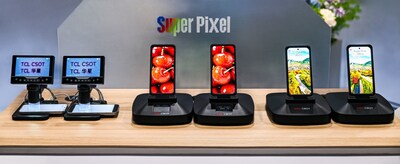
TCL CSOT is redefining next-generation FMM OLED performance with Super Pixel technology, which delivers a powerful trifecta of benefits:
TCL CSOT is showcasing a suite of groundbreaking Super Pixel mobile displays, each designed to push the boundaries of clarity, efficiency, and refresh performance.
IJP OLED: Superior Quality with Greater Flexibility
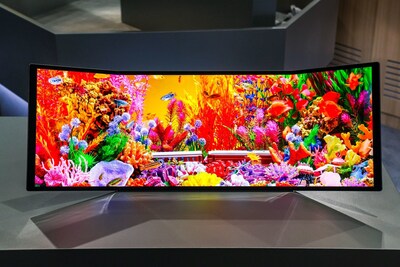
Building on TCL CSOT's decade-long leadership in IJP OLED and its construction of the world's first 8.6-generation IJP OLED production line (t8), the company is showcasing how IJP OLED technology is transforming the industry with significant advantages in manufacturing and performance. TCL CSOT's pixel innovation in this area delivers:
TCL CSOT is showcasing this innovation through the World's First Foldable & Portable IJP OLED Monitor Display (28"). Featuring a revolutionary tri-fold design, it transforms a compact 16-inch device into an expansive 28-inch ultra-wide screen, demonstrating IJP OLED's unique capability to enable flexible, high-performance designs that expand the boundaries of display applications.
LCD Innovation: Advancing with RGBC Four-Color Technology

TCL CSOT is advancing LCD technology for the large-screen domain by incorporating an innovative four-color (RGBC) pixel array.
This innovation is demonstrated in the World's Highest Image Quality WHVA Ultra LCD TV Display (85"), featuring a native RGBC four‑color pixel array that achieves 131% of the BT.2020 color gamut. Delivering true four‑color performance at the hardware level, it sets a new benchmark for LCD innovation with exceptionally vivid, natural, and clear images.
By continuously evolving its technology portfolio to meet diverse scenarios, TCL CSOT demonstrates its commitment to setting new standards in display innovation and ensuring that advanced display solutions enrich everyday life for users worldwide.
- End -
About TCL CSOT
Established in 2009, TCL China Star Optoelectronics Technology Co., Ltd. (TCL CSOT) is a leading global innovator in display technologies. Its LCD, OLED, and MLED solutions power applications across TVs, smartphones, tablets, laptops, monitors, automotive systems, VR/XR, and commercial displays. With a clear strategic direction set by its advanced display technology brand APEX, TCL CSOT invests continuously and strategically in R&D, driven by a mission to amaze, protect and inspire all people through endlessly innovative display technology. As part of TCL's Worldwide Olympic Partnership, TCL CSOT is proud to deliver display solutions that elevate experiences on the global stage.
Photo - https://mma.prnewswire.com/media/2973724/WhatsApp_Image_2026_05_06_at_4_12_55_PM__1.jpg
Photo - https://mma.prnewswire.com/media/2973723/WhatsApp_Image_2026_05_06_at_4_12_55_PM.jpg
Photo - https://mma.prnewswire.com/media/2973722/WhatsApp_Image_2026_05_06_at_4_12_54_PM.jpg
 View original content:https://www.prnewswire.co.uk/news-releases/tcl-csot-showcases-apex-pixel-full-path-innovation-across-advanced-displays-at-sid-display-week-2026-302764114.html

Der Halbleiter- und Lichtkonzern ams-Osram stellt sein Geschäftsportfolio neu auf und setzt dabei verstärkt auf Wachstumsmärkte wie Komponenten für Augmented-Reality-Brillen und intelligente Lichttechnologien. Vorstandschef Aldo Kamper bezeichnete den Verkauf der nicht optischen Sensorsparte an Infineon als wichtigen Schritt, um das Unternehmen „für die Zukunft aufzustellen“. Die Transaktion soll dem Konzern 570 Millionen Euro einbringen und nach aktueller Planung zum 1. Juli abgeschlossen werden.
Mit dem Verkauf trennt sich ams-Osram von einem Geschäftsbereich, der rund sieben Prozent zum Konzernumsatz beigesteuert hat, reduziert im Gegenzug aber die eigene Verschuldung deutlich. Laut Kamper kann die Schuldenlast um etwa ein Drittel gedrückt werden, die jährlichen Zinszahlungen sollen in den kommenden Jahren von rund 300 Millionen Euro auf etwa die Hälfte sinken. Der so gewonnene finanzielle Spielraum soll in den Ausbau bestehender Geschäftsfelder und in neue Produkte fließen.
Im Zentrum der Wachstumsstrategie stehen Komponenten für Augmented-Reality-Brillen. Bereits heute liefert ams-Osram Sensorelemente an Hersteller solcher Systeme, wenn auch in nach Kamps Worten noch „überschaubarem“ Ausmaß. Mittelfristig rechnet der CEO mit einem stark wachsenden Markt: Anfang der 2030er-Jahre hält er weltweit jährlich 50 bis 100 Millionen verkaufte AR-Brillen für denkbar, ab der Mitte des Jahrzehnts möglicherweise mehr. AR-Brillen sollen reale Umgebungen erweitern, Navigationsinformationen einblenden, Gesichtserkennung ermöglichen oder Vitalparameter überwachen; Nutzungsszenarien sieht Kamper in großer Bandbreite.
Parallel dazu baut ams-Osram digitale Photonik- und LED-Lösungen aus, etwa hochauflösende und „intelligente“ Scheinwerfer, die bereits im Automotive-Bereich im Einsatz sind. Dieses Geschäft bringt derzeit Erlöse im zweistelligen Millionenbereich ein, bis 2028 peilt das Management einen Umsatz von mehr als 100 Millionen Euro an. Weitere Zukunftschancen sieht der Konzern in Lasersystemen für den Rüstungssektor, wo ebenfalls mit zusätzlichem Wachstum gerechnet wird.
Für den Hauptstandort Premstätten in der Steiermark erwartet das Unternehmen trotz der Portfoliobereinigung keine einschneidenden Einschnitte. Nach Abschluss der Infineon-Transaktion sollen 70 Beschäftigte aus der Entwicklung an den Grazer Infineon-Standort wechseln, während Infineon vorerst weiterhin aus dem Werk in Premstätten beliefert wird. ams-Osram bleibt damit auf absehbare Zeit als Auftragsfertiger aktiv. Die Mitarbeiterzahl am Standort soll von derzeit etwa 1.450 bis 2030 auf 1.550 steigen, gestützt von Förderzusagen der Republik Österreich von bis zu 227 Millionen Euro, unter anderem aus dem EU Chips Act.