HANGZHOU, China, May 27, 2026 /PRNewswire/ -- Hoymiles has jointly released the 2026 Global Residential Energy Storage Industry Whitepaper with TÜV SÜD, offering a comprehensive analysis of the rapidly evolving residential energy storage market and the technologies shaping next-generation home energy systems. Developed jointly by Hoymiles and TÜV SÜD, the report titled Rooted in Safety, Empowered by Simplicity combines market analysis, certification insights, and technology outlooks to provide strategic reference for manufacturers, installers, distributors, and energy professionals worldwide.

Exploring the Next Phase of the Global Home Energy Transition
According to the report, following a major inventory destocking cycle through 2023–2024, the global residential storage market returned to a strong growth trajectory in 2025, with the global shipments reaching 35GWh. Looking ahead, the global end user market for residential battery systems is projected to reach USD19.3-22.7 billion by 2030.
As the market evolves, the report notes that homeowners and installers are no longer focused solely on hardware performance, but installation simplicity, long-term reliability, cross-brand compatibility, intelligent energy management, and higher safety standards. These changing expectations are accelerating the industry's shift toward more integrated, modular, AI-driven, and installation-friendly solutions.
Major trends reshaping the residential storage industry
Addressing Industry Challenges with Integrated Energy Solutions
As part of the report, Hoymiles presents HiOne, its newly launched residential all-in-one solar-plus-storage system, as a case study for next-generation home energy solutions.
The HiOne system integrates PV MPPT, a hybrid energy storage inverter, battery packs, battery management system (BMS), and energy management system (EMS) into a single platform, while also supporting V2X access via the DC bus.
Designed around simplicity, safety, and intelligent energy management, the system features:
Industry Experts Discuss the Future of Residential Storage
During the launch seminar, Hoymiles and TÜV SÜD representatives joined experts from Global Solar Council, BVES, Elektramat to discuss the evolving challenges and future direction of the residential energy storage industry.
The discussion focused on current user pain points, evolving certification requirements, installation and operational challenges, and the growing role of intelligent software in future home energy systems.
"We are entering a transformative phase where residential energy storage is no longer just a passive backup device, but an intelligent asset operating within a dynamic grid," said Rex Zhu, General Manager of Residential and C&I ESS BU at Hoymiles. "Partnering with TÜV SÜD on this white paper allows us to share insights into regulatory developments, certification requirements, and safety considerations relevant to residential energy storage systems."
Download the Full White Paper
Download the report to explore the key trends and technology shifts shaping the future of residential solar-plus-storage systems.
Logo - https://mma.prnewswire.com/media/2970138/logo_____________1_Logo.jpg

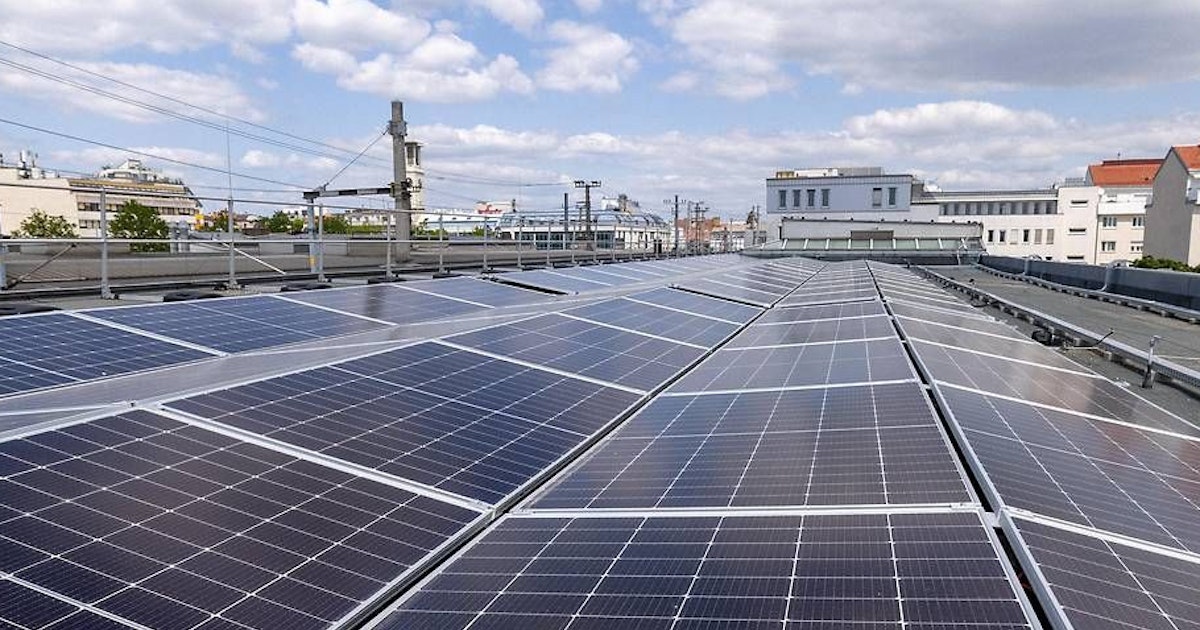
Die Stadt Wien startet ein neues Förderprogramm für Photovoltaik-Anlagen und richtet den Fokus dabei klar auf bisher ungenutzte Flächen im dicht bebauten Stadtgebiet. Ab 4. Mai 2026 stehen dafür 7 Millionen Euro bereit. Gefördert werden vor allem innovative und multifunktionale Anlagen, die technisch anspruchsvoller oder kostenintensiver sind als klassische Aufdachlösungen – etwa Installationen an Gebäudefassaden oder auf Dachgärten.
Mit dem Paket verfolgt die Stadt mehrere energiepolitische Ziele. Der Ausbau klimafreundlicher Stromerzeugung soll beschleunigt und die Abhängigkeit von ausländischen Energielieferanten verringert werden. Gleichzeitig zielt Wien darauf ab, langfristig mehr Kontrolle über die Energiepreise zu gewinnen. Klimastadtrat Jürgen Czernohorszky (SPÖ) verweist in diesem Zusammenhang auf den geplanten Ausstieg aus Gas und Öl und bezeichnet Sonnenstrom als zentrale Säule für mehr Energieunabhängigkeit und eine klimafreundliche Zukunft.
Die Stadt reagiert damit auch auf Marktveränderungen: Die Kosten für klassische Aufdachanlagen und Speicher sind zuletzt deutlich gesunken, viele Projekte amortisieren sich bereits nach wenigen Jahren. Die Förderung wird daher nun gezielt auf komplexere Vorhaben verlagert. Unterstützt werden künftig vor allem Fassaden-PV-Anlagen sowie Photovoltaik auf Dachgärten, sofern diese öffentlich, öffentlich zugänglich oder gemeinschaftlich genutzt werden. Bis zu 30 Prozent der förderfähigen Kosten können übernommen werden.
Parallel dazu bleiben bestehende Förderschienen bestehen. Programme für PV-Anlagen im mehrgeschoßigen Wohnneubau, auf Flugdächern und auf Gründächern haben sich nach Darstellung der Stadt bewährt und werden bis 2027 weitergeführt. Insgesamt soll der Ausbaupfad damit abgesichert werden: Bis 2030 strebt Wien eine installierte PV-Leistung von 800 Megawatt Peak (MWp) an – genug, um nach Angaben der Stadt rund ein Viertel aller Wiener Haushalte mit Sonnenstrom zu versorgen.
Um die Nachfrage anzukurbeln und Projekte zu erleichtern, baut Wien auch sein Beratungs- und Serviceangebot aus. Bürgerinnen, Bürger und Betriebe können sich kostenlos informieren, wie sich der Umstieg auf Sonnenstrom konkret umsetzen lässt. Beratungen sind telefonisch oder per Video-Call möglich und können online gebucht werden; weitere Details zum Förderpaket und zum erweiterten Informationsangebot stellt die Stadt ab 4. Mai auf sonnenstrom.wien.gv.at bereit.

 View original content: