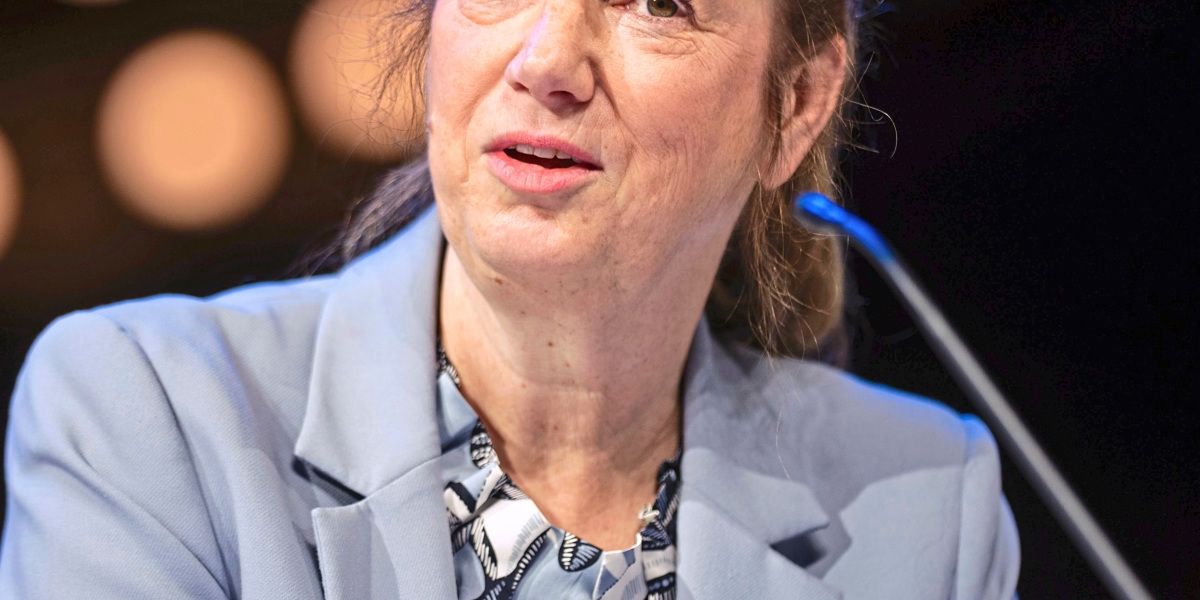
SINGAPORE, Oct. 27, 2026 /PRNewswire/ -- Three in four travellers (75.4%) say sustainability is important when making travel decisions, and 56.8% now intentionally choose more sustainable options, according to Trip.com Group's 2026 Sustainable Travel Consumer Report. To make those choices easier to see and act on, Trip.com Group, a leading global travel service provider, is introducing My Travel Impact, a new feature in the Trip.com app that brings travellers' more sustainable choices across hotels, flights and rail together in one place.
The report, based on a survey of 8,777 respondents across 29 markets in four regions, finds that sustainability is moving from awareness towards action and experience: travellers see more sustainable choices not only as a responsibility, but as a way to enrich a trip.
Jane Sun, CEO of Trip.com Group, said: "Making travel a positive force for the world it connects is a shared responsibility, and the travel industry has a vital role to play in preserving the places, nature and communities that make travel meaningful for generations to come. At Trip.com Group, we believe every journey can make a difference, and we are working to make sustainability part of the travel experience — from lower-carbon transport and certified sustainable stays to helpful information, personalised recommendations and tools such as My Travel Impact."
As the industry moves to act, the report shows what motivates travellers to choose more sustainable options, what holds them back and what would make those choices easier.
Motivating Action: Making Sustainable Travel More Accessible
Environmental responsibility (52.5%) and preserving destinations for future generations (50.8%) emerged as the leading motivations for making more sustainable travel choices. Nearly half of respondents (44.4%) also cited more authentic travel experiences.
However, higher prices remain the most cited barrier (37.1%), followed by inconvenience or additional effort (29.8%) and difficulty identifying more sustainable options (27.1%). Price (64.1%) and quality and comfort (61.8%) also remain the leading considerations when choosing travel.
My Travel Impact Puts A Traveller's More Sustainable Choices In One Place
Findings also show a keen demand for tools that help travellers make more informed sustainable travel choices. Clear sustainable labels (41.6%) top the list of what travellers want most from online travel agencies, and 32.7% would like a dashboard showing the carbon impact of their bookings. Sustainability is also shaping where people book: 64.2% say more sustainable travel offerings will influence their choice of platform.
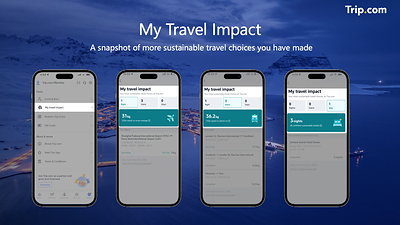
My Travel Impact answers that demand with an overview of the more sustainable choices a traveller has made through Trip.com, drawing on three parts of the journey:
By bringing information previously spread across different travel products into one dashboard, My Travel Impact makes travellers' choices easier to understand.
More Sustainable Travel is Becoming Part of the Experience Itself
Exploring nature and outdoor destinations (41.6%), scenic rail journeys (34.1%) and visiting lesser-known destinations with fewer crowds (32.7%) lead the options travellers say would improve their experience, followed by staying in hotels with strong sustainability practices (31.9%) and travelling off-season (29.6%).
Sustainability also influences destination appeal. Good public transport or lower-carbon mobility (56.0%) and protection of natural and cultural heritage (50.6%) would most increase travellers' interest in visiting.
Climate Risks Reshape How Travellers Plan
Extreme weather is already changing travel plans: 62.0% of travellers adjusted at least one aspect of a trip because of it, with 29.9% delaying or rescheduling a trip, 23.6% changing the season or timing of travel and 21.9% switching destination.
Younger Travellers Lead the Shift
Gen Z and Millennials show the strongest engagement with more sustainable travel. Nearly seven in ten Gen Z (69.5%) intentionally chose more sustainable travel options, versus 63.0% of Millennials, 50.6% of Gen X and 40.6% of Boomers. More than three-quarters of Gen Z (76.7%) say more sustainable offerings would influence their choice of OTA.
Advancing More Sustainable Travel Through Industry Collaboration
Trip.com Group works with industry partners including GSTC and Travalyst to support credible certification and consistent emissions information, while responsible travel guidance from organisations such as WWF helps inform the practical tips we share with travellers.
Recognising that a more sustainable future for tourism requires industry-wide action, Trip.com Group remains committed to working alongside partners to help protect the destinations, natural environments and communities that make travel possible for generations to come.
View the full report here: Trip.com Group 2026 Sustainable Travel Consumer Report
About Trip.com Group
Trip.com Group is a leading global travel service provider comprising of Trip.com, Ctrip, Skyscanner, and Qunar. Across its platforms, Trip.com Group helps travellers around the world make informed and cost-effective bookings for travel products and services and enables partners to connect their offerings with users through the aggregation of comprehensive travel-related content and resources, and an advanced transaction platform consisting of apps, websites and 24/7 customer service centres. Founded in 1999 and listed on NASDAQ in 2003 and HKEX in 2021, Trip.com Group has become one of the best-known travel groups in the world, with the mission "to pursue the perfect trip for a better world". Find out more about Trip.com Group here: group.trip.com.
Follow us on: X, Facebook, LinkedIn, and YouTube.

 View original content to download multimedia:https://www.prnewswire.co.uk/news-releases/three-in-four-travellers-say-sustainability-matters-as-tripcom-launches-my-travel-impact-to-help-turn-intent-into-action-302920213.html

Ein umfangreicher Auswertungsbericht der Wirtschafts- und Korruptionsstaatsanwaltschaft (WKStA) zu digitalen Daten des verstorbenen Justiz-Spitzenbeamten Christian Pilnacek sorgt für neuen politischen und justizinternen Sprengstoff. Chatprotokolle, E-Mails und weitere Unterlagen zeichnen ein Bild tiefgreifender Konflikte innerhalb der Justiz – insbesondere zwischen der WKStA und Teilen der vorgesetzten Behörden. Parallel dazu bereitet ein parlamentarischer Untersuchungsausschuss die Befragung von Schlüsselpersonen vor, um mögliche politische Einflussnahmen auf Ermittlungen rund um Pilnacek und dessen Tod zu beleuchten.
Aus der von der WKStA erstellten Expertise zu Pilnaceks Kommunikationsdaten geht hervor, wie der langjährige Leiter der für Strafrecht zuständigen Sektion im Justizministerium über Jahre hinweg gegenüber der WKStA Stellung bezog. Der Bericht zeigt, dass der damalige Wiener Oberstaatsanwaltschef Johann Fuchs im Juni 2019 in einer internen Nachricht erklärte, er sehe es als Aufgabe seiner Amtszeit, eine von der WKStA angeblich offengelegte „Verkommenheit“ im Berufsstand „mit allen Mitteln zu bekämpfen“. Er bezeichnete Pilnacek darin ausdrücklich als Mitstreiter. In dem Gutachten findet sich zudem Material, aus dem hervorgehen soll, wie die Korruptionsstaatsanwaltschaft aufgelöst und neu aufgesetzt werden könnte.
Die Auswertung des Laptops und mehrerer Speichermedien Pilnaceks, die in einem rund 440 Seiten starken Bericht zusammengefasst wurde, behandelt auch seine Kontakte in das Umfeld der ÖVP. Der frühere Sektionschef war von 2010 bis 2020 über alle wesentlichen Strafsachen der Republik informiert und konnte als weisungsbefugter Beamter Ermittlungsschritte mitsteuern oder Berichte anfordern. Laut dem Bericht kooperierte er in dieser Zeit eng mit ÖVP-nahen Personen und wirkte an der Verteidigung von Beschuldigten mit. Nach Bekanntwerden einer Audioaufnahme aus dem Sommer 2023, in der Pilnacek Interventionen von ÖVP-Seite beklagte, leitete die WKStA ein Ermittlungsverfahren gegen unbekannte Täter ein; dieser Interventionsakt ist nun ebenfalls Gegenstand des U-Ausschusses.
Der Untersuchungsausschuss, der sich mit den Umständen von Pilnaceks Tod und dem Umgang der Behörden befasst, bekommt das WKStA-Dokument zeitlich passend zur nächsten Befragungsrunde vorgelegt. Zunächst soll ein IT-Experte der WKStA, der für das Auslesen von Datenträgern zuständig ist, Auskunft geben. In den darauffolgenden Tagen werden Exekutivbeamte befragt, darunter der Leiter des Bundeskriminalamts sowie zwei Polizeibeamte aus Niederösterreich, die unter anderem mit Pilnaceks Geisterfahrt Stunden vor dem Fund seiner Leiche in einem Donau-Seitenarm befasst waren. Politisch besonders im Fokus steht der Auftritt von Innenminister Gerhard Karner und dessen Kabinettschefin, nachdem eine vom Ressort in Auftrag gegebene Schulungsunterlage für geladene Auskunftspersonen parteiübergreifend – mit Ausnahme der ÖVP – auf Kritik gestoßen war.
Die Kombination aus internen Justizchats, detaillierter Datenauswertung und politischer Aufarbeitung im Parlament verschärft die Debatte über das Verhältnis zwischen Ministerien, Staatsanwaltschaften und Parteien. Während die WKStA ihre Auswertungsergebnisse in den U-Ausschuss einbringt, suchen Abgeordnete nach Antworten auf die Frage, ob und in welchem Ausmaß versucht wurde, auf Ermittlungen Einfluss zu nehmen – sowohl in prominenten Wirtschafts- und Korruptionsfällen als auch im Zusammenhang mit den Untersuchungen nach dem Tod eines der einflussreichsten Justizbeamten der vergangenen Jahre.