STOCKHOLM, June 30, 2026 /PRNewswire/ -- Domsjö Fabriker is moving forward with plans to further develop its existing operations at High Coast Innovation Park in Örnsköldsvik, Sweden. The project has applied for a subsidy from Klimatklivet, Sweden's national climate investment programme, to upgrade biogas from industrial processes into liquefied biogas, LBG, which can replace fossil diesel in heavy transport. The aim is to commission the plant during Q4/2028.
The goal is to make better use of side streams and energy flows within the industrial cluster in Örnsköldsvik. Biogas from Domsjö Fabriker, and potentially other parties within the park at a later stage, will be upgraded into liquefied biogas, LBG, to be used as fuel sold on the open market.
Once the plant reaches full capacity, it is expected to be able to replace approximately 100 GWh of fossil diesel per year with 100 GWh of LBG. This corresponds to an annual reduction in greenhouse gas emissions of approximately 26,700 tonnes of carbon dioxide.
Sweden is currently highly dependent on imported fuels. Local production of liquefied biogas can contribute to increased regional self-sufficiency, stronger security of supply and better access to fossil-free fuels. This is particularly important for heavy transport, such as trucks and shipping, where the transition away from diesel is more challenging than for passenger cars.
Domsjö Fabriker is collaborating with Adven, an infrastructure partner in energy, water and side-stream valorisation, which has participated in the project's development and design phase. The ambition is to continue the partnership into the next phases.
"We are very pleased to collaborate with Domsjö Fabriker, a company with a long history that combines industrial tradition with the courage to adapt to a new era. Together, we can make use of existing industrial flows and develop circular, resource-efficient solutions that create value for both industry and Sweden as a whole," says Jonas Sjölander, Group CEO of Adven.
"This is a climate investment with a clear resilience dimension. Local production of liquefied biogas strengthens Sweden's robustness in the event of disruptions to fuel supply and helps broaden the transition to fossil-free transport, as an important complement to electrification. This is especially significant for heavy transport, where access to reliable fossil-free fuels is crucial. In the long term, liquefied biogas can also create better conditions for fossil-free vehicle fleets in essential public services, such as rescue, police and ambulance services," continues Lena Ek, Board Member at Adven and former Swedish Minister for the Environment.
For the project to be commissioned during the fourth quarter of 2028, an efficient and predictable permitting process is now required. Adven and Domsjö Fabriker intend to carry out the project, provided that the state climate investment subsidy is granted and that the necessary permits, including environmental and building permit, are obtained.
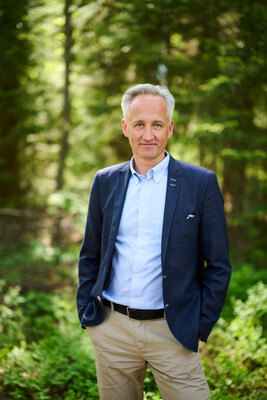
"This is an exciting project that is well aligned with the ambition to create best climate effect per krona invested. Efficient cooperation with the municipality and the county administrative board will now be crucial to keep the schedule, enabling commissioning during the fourth quarter of 2028," says Björn Vedin, CEO of Domsjö Fabriker.
For more information, please contact:
Björn Vedin, CEO of Domsjö Fabriker, bjorn.vedin@domsjo.adityabirla.com
About Domsjö Fabriker
Domsjö Fabriker is a biorefinery located in Örnsköldsvik, in Sweden's High Coast region, at the High Coast Innovation Park industrial area. The company refines renewable raw material from the forest into sustainable, bio-based products such as speciality cellulose, lignin and bioethanol. These are used in a wide range of applications, including clothing, pharmaceuticals, packaging and chemicals.
With a focus on maximising the value of every tree and replacing fossil raw materials, Domsjö Fabriker contributes to the transition towards a more sustainable society. Production is carried out with high ethics and environmental standards, including the world's first fully closed and chlorine-free bleaching plant.
Domsjö Fabriker is part of Aditya Birla Group, an expanding Indian business group with operations around the world.
Photo - https://mma.prnewswire.com/media/3002125/Domsjo_Fabriker_1.jpg
Photo - https://mma.prnewswire.com/media/3002124/Domsjo_Fabriker_2.jpg
Logo - https://mma.prnewswire.com/media/3001905/6017435/Domsjo_Fabriker_Logo.jpg
 View original content to download multimedia:https://www.prnewswire.co.uk/news-releases/the-biorefinery-domsjo-fabriker-wants-to-strengthen-swedens-supply-of-liquefied-biogas-with-adven-as-infrastructure-partner-302813676.html

Auf einer der wichtigsten Bahnachsen Ostbayerns ruht für ein halbes Jahr der reguläre Zugverkehr. Die DB InfraGO hat die Korridorsanierung der Strecke Obertraubling–Passau gestartet und die Verbindung weitgehend voll gesperrt. Von diesem Sonntag an bis zum Fahrplanwechsel am 12. Dezember wird die Infrastruktur auf rund 120 Kilometern umfassend erneuert. Das Investitionsvolumen liegt nach Bahnangaben bei rund 1,3 Milliarden Euro inklusive Risikopuffer.
Die Arbeiten schließen unmittelbar an die seit Anfang Februar laufende Generalsanierung der stark befahrenen Strecke Nürnberg–Regensburg an, die bis 10. Juli abgeschlossen sein soll. Auf dem Abschnitt bis Passau erneuert die Bahn Gleise, mehr als 140 Weichen und etwa 90 Kilometer Oberleitungen. Mehrere Stellwerke werden ersetzt oder instand gesetzt, veraltete Relais‑Technik weicht moderner Elektronik. Hinzu kommen eine Eisenbahnüberführung und fünf Personenunterführungen; im Bereich Osterhofen muss an einer Moorstelle nahe der Donau der Untergrund aufwendig verfestigt werden. Acht Bahnhöfe werden modernisiert und mit höheren Bahnsteigen schrittweise barrierefrei ausgebaut – Arbeiten, die bis ins Frühjahr 2027 hineinreichen.
Für Reisende hat die Sanierung gravierende Folgen. Im Nahverkehr richtet die Bahn zusammen mit der Bayerischen Eisenbahngesellschaft ein dichtes Netz an Schienenersatzverkehr ein. Rund 90 Busse sind auf sechs Linien unterwegs; sie und die Wegweiser sind in auffälligem Purpur gestaltet, um die Orientierung zu erleichtern. Im Fernverkehr entfallen die Züge zwischen Nürnberg beziehungsweise Regensburg und Passau sowie weiter nach Wien komplett. Fahrgäste Richtung Österreich werden auf Verbindungen über München verwiesen, zusätzliche Züge über Mühldorf und Salzburg sowie ein Ersatzbusangebot für Passauer Fernreisende sollen die Auswirkungen abfedern.
Aus der Politik kommt grundsätzliche Unterstützung, zugleich aber auch der Hinweis auf die Belastungen für Region und Wirtschaft. Der Parlamentarische Staatssekretär Ulrich Lange betonte, wer eine leistungsfähige, verlässliche Bahn wolle, müsse jetzt entschlossen modernisieren; am Ende profitierten Fahrgäste und Wirtschaftsstandort. Bayerns Verkehrsminister Christian Bernreiter sprach mit Blick auf den kurzen Abstand zur Baustelle Nürnberg–Regensburg von einer zweiten großen Belastung binnen kürzester Zeit für Fahrgäste und Unternehmen in Ostbayern. Für die Bahn ist der Korridor zwischen Regensburg und Passau zugleich Testfeld für die Strategie, ganze Streckenabschnitte in gebündelten Sperrpausen grundlegend zu erneuern, um langfristig die Pünktlichkeit zu verbessern.