Chosen by Customers Worldwide, LG's InstaView™ Refrigerator Innovation Continues to Redefine the Kitchen Experience a Decade After Its Debut
News Summary
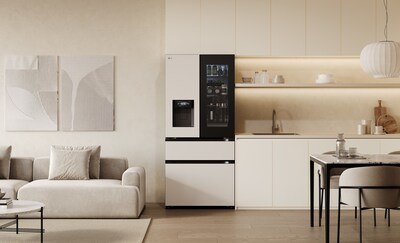
SEOUL, South Korea, July 24, 2026 /PRNewswire/ -- LG Electronics' (LG) InstaView™ refrigerator, which allows users to see inside without opening the door, has reached a major milestone on its 10th anniversary, surpassing 5.3 million units in cumulative global sales since its 2016 launch.
Trusted by Consumers Around the World
Since launching the LG InstaView refrigerator in 2016, LG has sold a remarkable 5.3 million units – equivalent to selling roughly one unit every minute.
LG InstaView refrigerator has seen strong customer demand globally, with North America representing its strongest market and accounting for about 30 percent of cumulative sales to date. In Europe, InstaView refrigerator has also been well received by consumers who place high value on energy efficiency, sustainability and food preservation performance. Sales are also steadily rising in Asia and Latin America, driven by growing demand for premium appliances.
An Innovation That Redefined the Refrigerator
InstaView redefined how consumers interact with their refrigerators by allowing them to see inside without opening the door. This feature allows users to check the fridge's contents without opening the door and helps reduce unnecessary cold-air loss associated with frequent door opening. Over the past decade, its innovation has been recognized by international media and honored with numerous accolades from major global design and innovation awards, including the Red Dot Design Award, iF Design Award, IDEA, and the CES Innovation Award.
From Functional Benefit to Lifestyle Value
LG's analysis of global customer reviews shows that consumer appreciation for the InstaView refrigerator and its eponymous feature has evolved over time, shifting from an initial focus on the functional benefits to the overall sense of satisfaction that it provides. While early feedback centered on the convenience of knocking twice to see inside and the reduction of cold air loss, more recent reviews increasingly highlight InstaView's refined design and the enjoyment it brings to everyday kitchen use.
"For a decade now, LG InstaView refrigerator has stood as a testament to our leadership in the home appliance market and to our deep understanding of customers' lifestyles," said Baek Seung-tae, president of the LG Home Appliance Solution Company. "This milestone reflects our success in creating not just an innovative feature, but a more convenient and enjoyable kitchen experience. Building on our advanced AI, refrigeration and food preservation technologies, we will continue to lead the evolution of the kitchen experience with customer-centric innovations."
About LG Electronics Home Appliance Solution Company
The LG Home Appliance Solution Company (HS) is a global leader in home appliances and AI home solutions. By leveraging industry-leading core technologies, the HS Company is committed to enhancing consumers' quality of life and promoting sustainability. The company develops thoughtfully designed kitchen and living appliance solutions and has recently integrated LG's Robot Business Division to incorporate advanced robot technologies into its home solutions. Together, these products offer enhanced convenience, exceptional performance, efficient operation and sustainable lifestyle solutions. For more news on LG, visit www.LG.com/global/newsroom/.
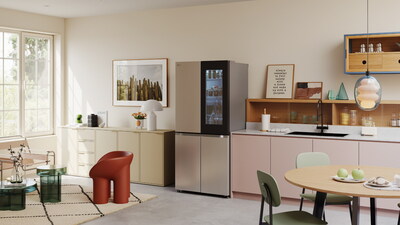
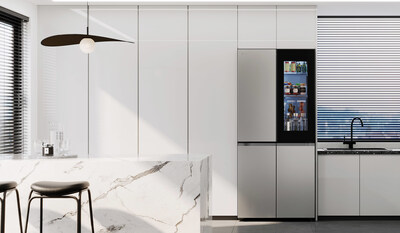
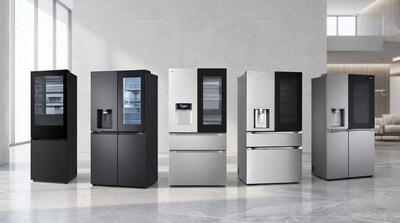
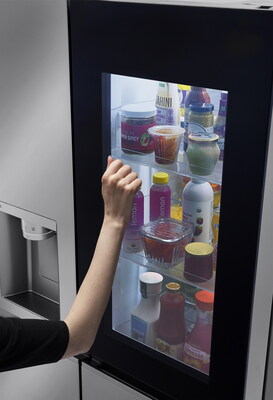
Photo - https://mma.prnewswire.com/media/3007470/1__featured.jpg
Photo - https://mma.prnewswire.com/media/3007471/2.jpg
Photo - https://mma.prnewswire.com/media/3007472/3.jpg
Photo - https://mma.prnewswire.com/media/3007468/4.jpg
Photo - https://mma.prnewswire.com/media/3007469/5.jpg
 View original content:https://www.prnewswire.co.uk/news-releases/lg-instaview-refrigerator-surpasses-5-3-million-in-global-sales-302834020.html

Die Artenvielfalt von Taufliegen (Drosophila) im Raum Wien ist in den vergangenen drei Jahrzehnten massiv eingebrochen. Forschende des Naturhistorischen Museums (NHM) Wien berichten, dass die Zahl der in der Stadt nachgewiesenen Arten im Vergleich zu einer Erhebung aus dem Jahr 1994 um rund 50 Prozent gesunken ist. Die Ergebnisse, die nun im Fachjournal „Ecology and Evolution“ veröffentlicht wurden, deuten darauf hin, dass vormals häufige Arten durch zugewanderte Taufliegen verdrängt worden sein könnten.
Grundlage der aktuellen Analyse ist das Citizen-Science-Projekt „Vienna City Fly“, das 2024 einfache Fliegenfallen an freiwillige Laienforscher in Wien, Niederösterreich und dem Burgenland verteilte. Die zurückgesandten Proben wurden für die nun publizierte Studie gezielt auf Fänge in unmittelbarer Nähe menschlicher Siedlungen beschränkt – also auf Innenräume, Balkone und Gärten. Damit liegt ein detailliertes Bild jener Drosophila-Gemeinschaft vor, die besonders eng an vom Menschen geprägte Lebensräume gebunden ist.
Insgesamt wurden mehr als 18.000 Taufliegen gesammelt und taxonomisch bestimmt; dabei identifizierte das Team um NHM-Forscher Martin Kapun 13 Drosophila-Arten. Bemerkenswert ist der Nachweis zweier Arten, die bislang in Österreich nicht registriert waren: Drosophila (D.) mercatorum und D. virilis. D. mercatorum ist ursprünglich in den USA, Mexiko und Südamerika verbreitet und wurde im vergangenen Jahrhundert nach Europa eingeschleppt, D. virilis stammt aus Asien und hat sich erst seit relativ kurzer Zeit über die nördliche Hemisphäre ausgebreitet.
Die Zusammensetzung der Populationen zeigt eine deutliche Verschiebung hin zu wenigen dominanten Generalisten. D. mercatorum mit rund 8.800 Nachweisen und die Modellorganismus-Art D. melanogaster mit etwa 6.700 Funden waren die mit Abstand häufigsten Spezies in den Proben. „Dominiert wird die Drosophila-Population im Wiener Stadtgebiet von Generalisten mit starker Affinität zum Menschen“, erklärte Kapun der Austria Presse Agentur zufolge. Die Ergebnisse unterstreichen, dass zunehmende Verbauung und die starke Prägung durch menschliche Siedlungen mit einem Rückgang der Biodiversität einhergehen können – auch bei unscheinbaren Insekten, die als wichtige Indikatoren für den Zustand urbaner Ökosysteme gelten.