Enterprise-wide initiative will identify, develop and scale high-impact AI opportunities to drive productivity, innovation and growth.
Nabil Hayel Saeed: "The HSA AI Lab marks the next chapter in our transformation journey. We are combining HSA's decades of experience, talent and resilience with artificial intelligence to transform how we work, how we compete and how we grow."
DUBAI, UAE, Sept. 15, 2026 /PRNewswire/ -- HSA Group has announced the launch of the HSA AI Lab, an enterprise-wide initiative designed to accelerate the adoption of responsible artificial intelligence across the business and translate AI opportunities into measurable business impact.
The Lab will identify, develop and scale high-impact AI solutions across HSA's businesses, with a focus on increasing productivity, improving decision-making, strengthening operations and creating new opportunities for growth.
The launch follows an extensive assessment of AI opportunities across the business, during which 229 opportunities were identified and subsequently narrowed to 38 priority opportunities based on their potential impact and feasibility.
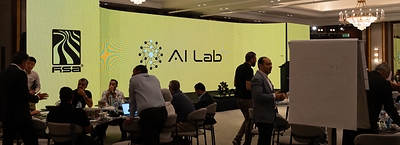
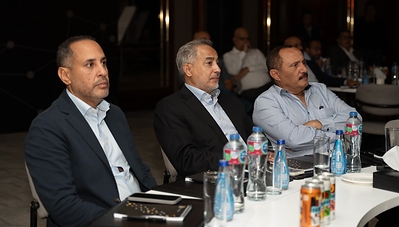
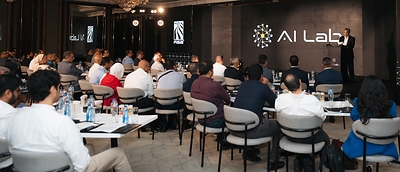
To launch the Lab and shape its priorities, HSA convened more than 40 leaders from across its businesses, sectors and functions for a two-day working session focused on moving from ideas to implementation.
The HSA AI Lab will focus on four areas: building AI capabilities across the workforce, enabling AI-powered automation, developing integrated AI systems and exploring new AI-enabled businesses.
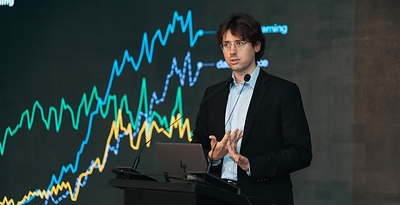
The Lab is co-led by Mohamed Nabil Hayel Saeed and Theo Breward, who will oversee its strategy, execution and engagement with businesses across the Group.
As part of its approach, the HSA AI Lab will partner with leading AI companies, technology providers and experts from around the world, bringing the best global capabilities, expertise and innovation to HSA.
Mr Nabil Hayel Saeed Anam, Managing Director and Regional Chairman of HSA Group – Yemen, said:
"The HSA AI Lab marks the next chapter in our transformation journey. We are combining HSA's decades of experience, talent and resilience with artificial intelligence to transform how we work, how we compete and how we grow."
He added: "Our ambition is not simply to explore AI, but to turn it into measurable impact. We will use it to increase productivity, improve decision-making, strengthen our businesses and empower our people. The future will not wait—and neither will HSA."
Under the Lab's operating model, HSA businesses and functions will lead individual AI initiatives, supported by the Lab's expertise, governance and responsible AI principles to ensure AI is deployed safely, ethically and effectively across the business. The Lab builds on HSA's wider transformation journey and will help carry that progress forward by turning innovation into practical solutions and tangible business results.
About HSA Group
HSA Group (HSA), established in 1938, is one of the largest multinational conglomerates based in the Middle East. As the parent organization to over 70 operating companies, HSA employs more than 35,000 people globally. Over the past 88 years, the Group has expanded and diversified across key markets including the Kingdom of Saudi Arabia, Egypt, Yemen, the UAE, Malaysia, Indonesia, the UK, Canada and Africa, with subsidiaries operating in services, manufacturing, and commercial industries. Headquartered in the UAE, HSA is globally recognized for its well-balanced investment portfolio, efficient manufacturing systems, and market-leading products, earning its reputation as a trusted multinational, multi-billion-dollar corporation.
HSA also plays a key role in supporting development and humanitarian initiatives across the Middle East and beyond. The Group partners with UN agencies and organizations such as the World Food Programme (WFP) and the World Health Organization (WHO) to deliver public health, nutrition, and food security programs.
For nearly 90 years, HSA has embraced a values-driven approach to sustainable growth, guided by the founding philosophy of "doing well by doing good." The company's core values prioritize compassion, care for others, and a strong sense of community, shaping how it collaborates with employees, partners, and the societies it serves worldwide.
Media Contact:
Maamoun Yafi, Chief Communication Officer Email: media@hsa.com.ye
Website: hasglobal.com
 View original content to download multimedia:https://www.prnewswire.co.uk/news-releases/hsa-group-launches-ai-lab-to-drive-its-next-era-of-transformation-302879542.html

Der bewaffnete Juwelenraub im Wiener Museum für angewandte Kunst (MAK) vom 27. August ist nach Einschätzung externer Fachleute nicht auf Versäumnisse der Institution zurückzuführen. Ein 34 Seiten umfassendes Gutachten des Sicherheitsconsulting-Unternehmens LifeLine's kommt zu dem Schluss, dass das Haus sowohl bei den technischen Sicherheitsvorkehrungen als auch beim operativen Vorgehen während des Überfalls und im anschließenden Krisenmanagement korrekt gehandelt hat. Die zentrale Frage, ob das Ereignis sicherheitstechnisch und organisatorisch adäquat bewältigt wurde, beantworten die Gutachter mit einem „klaren Ja“.
Im Fokus der Untersuchung stand die Ausstellung „Glanzstücke. Van Cleef & Arpels High Jewelry x Masterpieces from the MAK Collection“, in deren Juwelenraum zwei bewaffnete Täter mitten am Nachmittag eine Vitrine einschlugen und mit einem historischen Diamantcollier flüchteten. Laut Bericht waren alle mit den Vertragspartnern vereinbarten Sicherheitsstandards und Normen erfüllt. Dazu zählten unter anderem der Einsatz von 185 Videokameras, einer dreistelligen Zahl von Alarmsensoren, speziellem Sicherheitsglas sowie geschultem Sicherheitspersonal. Der nach der Tat eingeführte Einsatz von Metalldetektoren war laut Gutachten zuvor weder verlangt noch durch bestehende Standards vorgesehen.
Besonders hervor hebt der Bericht die bewusste Entscheidung für den Vorrang des Personenschutzes vor dem Objektschutz. Aus diesem Grund verzichtete das Museum auf laute Alarmsignale während der Öffnungszeiten und auf bewaffnete Sicherheitskräfte im Ausstellungsbereich. Die direkte Alarmierung von Polizei und hauseigener Sicherheitszentrale wurde den Angaben zufolge um 14:01:22 Uhr ausgelöst und habe „optimal und effizient“ funktioniert. Auch das Verhalten der anwesenden Securitas-Mitarbeitenden wird positiv bewertet: Sie hätten eine unmittelbare Konfrontation mit den bewaffneten Tätern und damit das Risiko einer Eskalation, etwa durch Panik oder mögliche Geiselnahmen, vermieden.
Die Gutachter kommen insgesamt zu dem Befund, dass ein von professionellen Tätern geplanter und durchgeführter Raub unter regulären Öffnungsbedingungen mit „vernünftigen Mitteln“ nicht vollständig zu verhindern gewesen sei – selbst bei Einsatz moderner Überwachungstechnik und etablierter Sicherheitsprotokolle. Aus ihrer Sicht bestätigt der Fall eine bekannte Grenze musealer Schutzkonzepte: Absolute Sicherheit wäre nur um den Preis massiver Einschränkungen der Bewegungsfreiheit von Besucherinnen und Besuchern zu erreichen, formuliert das Gutachten sinngemäß. Das MAK wird damit für den konkreten Vorfall entlastet, auch wenn der spektakuläre Coup die Debatte über Sicherheitsstandards in Ausstellungshäusern neu anheizen dürfte.