Announces signing of definitive agreement to acquire Canduct, a leading manufacturer of transformer insulation kits and components
ZURICH, June 17, 2026 /PRNewswire/ -- Hitachi Energy, a global leader in electrification, today announced a major expansion of its North American transformer insulation business through signing a definitive agreement to acquire Canduct Group. The investment addresses a critical bottleneck in the region's transformer supply chain by expanding the company's North America regional insulation and components capabilities, strengthening resilience, and accelerating the delivery of essential grid infrastructure.
Hitachi Energy's acquisition of Canduct is expected to close at the beginning of the third calendar quarter of 2026, subject to customary closing conditions.
Canduct, headquartered in Ontario, Canada, is a leading manufacturer of transformer insulation kits and components, serving original equipment manufacturers (OEM) and repair companies across the U.S. and Canada. Founded in 1982, the company has supplied high-quality transformer insulation solutions to Hitachi Energy for over two decades. By integrating Canduct's operations and more than 300 employees, Hitachi Energy will expand its capabilities to deliver critical transformer components needed to support the unprecedented growth in electricity demand.
"Hitachi Energy is strengthening its leadership in transformer insulation through this strategic expansion in North America," said Bruno Melles, CEO of Business Unit Transformers, Hitachi Energy. "By acquiring Canduct Group, we are expanding regional capabilities, strengthening supply chains for insulation kits and components, and supporting the growing demand for electrification across the region."
For over a century, Hitachi Energy has been a trusted supplier for transformer insulation and components to OEMs and distributors of power and distribution transformers worldwide. As essential components of power infrastructure, transformers and their components, including bushings, tap-changers, insulation materials and accessories play a critical role in ensuring the safe and reliable operation of electricity networks.
About Hitachi Energy
Hitachi Energy is a global leader in electrification, powering the electricity era to meet the energy demands of today, and the next 25 years. As the energy arm of Hitachi Group, over three billion people depend on our pioneering, mission-critical technologies to power their daily lives. With over a century of innovation, we are addressing the most urgent energy challenge of our time: driving the evolution of the world's energy system to ensure abundant, secure, affordable, and sustainable power for today's generation and the next. With an unparalleled installed base in over 140 countries, we are the grid ecosystem partner across the utility, industry, data center, and transportation sectors. Headquartered in Switzerland, we employ over 56,000 people in 60 countries and generate revenues of around $20 billion USD.
https://www.hitachienergy.com
https://www.linkedin.com/company/hitachienergy
https://x.com/HitachiEnergy
About Hitachi, Ltd.
Through its Social Innovation Business (SIB) that brings together IT, OT (Operational Technology) and products, Hitachi aims to be a global leader in continuously transforming social infrastructure through digital, contributing to a harmonized society where the environment, wellbeing, and economic growth are in balance. Hitachi operates worldwide across four sectors – Digital Systems & Services, Energy, Mobility, and Connective Industries – as well as a Strategic SIB Business Unit focused on new growth areas. With Lumada at its core, Hitachi creates value by combining data, technology and domain knowledge to solve customer and social challenges. Revenues for FY2025 (ended March 31, 2026) totaled 10,586.7 billion yen, with 606 consolidated subsidiaries and approximately 290,000 employees worldwide. Visit us at www.hitachi.com.
 View original content:https://www.prnewswire.co.uk/news-releases/hitachi-energy-bolsters-the-regional-transformer-market-with-strategic-investment-in-north-america-302803226.html

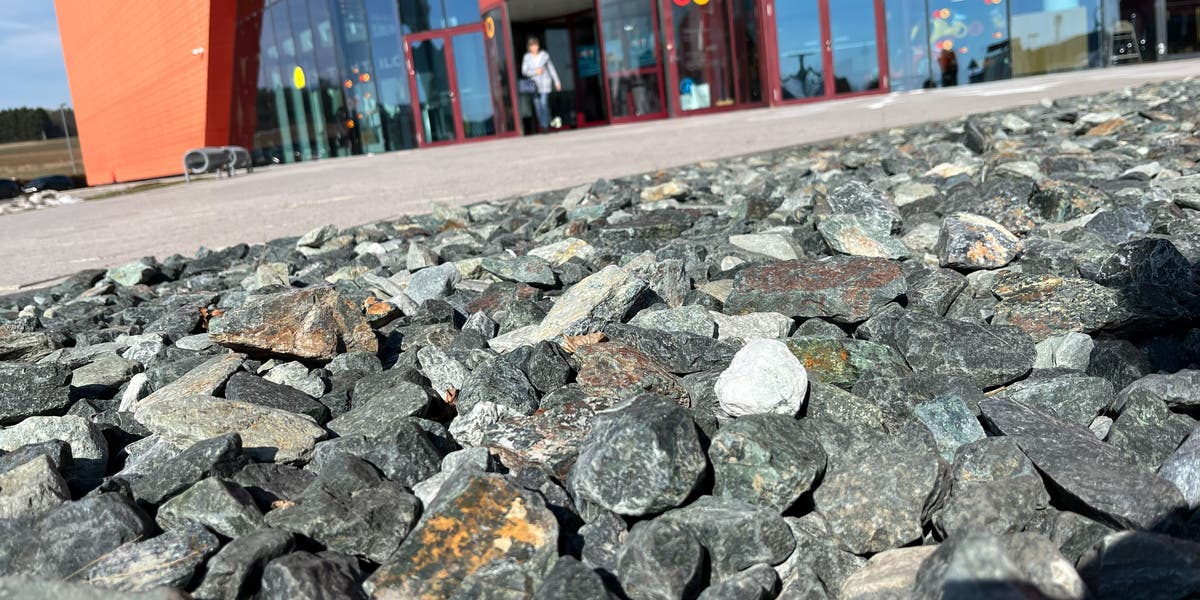
Der Asbest-Skandal rund um mehrere Steinbrüche im Burgenland entwickelt sich zu einer Milliardenbelastung für die öffentliche Hand. Nach einer neuen Berechnung der Umweltorganisation Greenpeace wird der materielle Schaden durch Entsorgung und Sanierung mindestens 1,6 Milliarden Euro betragen. Betroffen sind nicht nur das Burgenland, sondern auch Teile der Steiermark, Niederösterreichs sowie Gebiete in Ungarn, in die asbesthaltiges Material geliefert oder verbaut wurde.
Grundlage der Kostenschätzung ist die Annahme, dass seit 1990 rund 26 Millionen Tonnen asbesthaltiges Gestein aus vier Steinbrüchen abgebaut wurden. Greenpeace geht davon aus, dass etwa 20 Millionen Tonnen kurz- oder langfristig auf Asbestdeponien landen werden, während der Rest als Straßenunterbau, Fundamente oder in privaten Gärten in der Umwelt verbleibt und kaum mehr rückholbar ist. Rund 20 Prozent des Abfalls sollen in Form von asbesthaltigem Asphalt anfallen, dessen Deponierung besonders aufwendig ist und künftige Straßensanierungen über Jahrzehnte verteuern dürfte.
Mindestens drei Viertel der veranschlagten 1,6 Milliarden Euro entfallen laut Greenpeace auf die Entsorgung des Materials, der Rest auf Sanierungen. Für die Rechnung wurde ein Entsorgungspreis von lediglich 50 Euro je Tonne angesetzt – etwa die Hälfte des vor Bekanntwerden des Skandals üblichen Marktpreises. Diese Kalkulation sei nur zu halten, wenn rasch neue, sichere und kostengünstige Deponien errichtet werden, etwa in bereits geschlossenen Steinbrüchen, argumentiert Greenpeace. Andernfalls könnten sich die Gesamtkosten nach Einschätzung der Organisation auf mindestens das Doppelte erhöhen.
Die von Greenpeace genannten Summen übersteigen die Umsätze der betroffenen Steinbruchbetreiber deutlich und dürften auch die finanziellen Möglichkeiten des Landes Burgenland überfordern. Die Umweltorganisation drängt daher auf ein Eingreifen des Bundes und fordert, Mittel aus der Katastrophenhilfe bereitzustellen und einen Rahmen für eine kostengünstige Entsorgung zu schaffen. Zugleich verweist sie auf die Verantwortung des zuständigen Umweltministers, für ausreichend Deponiekapazitäten zu sorgen, um Kostenrisiken zu begrenzen und die logistisch aufwendige Räumung der asbestbelasteten Materialien langfristig planbar zu machen.