Aven built the new Booking Engine from the ground up to give hotels advanced retailing functionalities for greater control, flexibility, and a higher-converting path to direct revenue
SOUTHLAKE, Texas, June 11, 2026 /PRNewswire/ -- Aven Hospitality, an independent global technology leader in the hospitality industry that powers how hotels sell, distribute, and deliver guest experiences, has today introduced the new Aven Hospitality Booking Engine. Highlighting Aven's strategic focus on improving hospitality commerce and retailing, the newly redesigned Booking Engine is built to centralize the guest booking journey and deliver a seamless experience for hotels, powered by the SynXis platform.
Built to drive conversions and help hoteliers better merchandise their offerings, Aven's new Booking Engine features dynamic room and rate displays, a flexible cart, and a fully responsive interface. Embedded directly within a hotel's website, the in-context experience eliminates redirects, preserves brand continuity, and reduces friction that can lead to abandonment.
"In the first month of our properties being live on Aven's new Booking Engine pilot, we've already seen revenue growth of over 30% with no additional demand-generating activity in play—and we're seeing immediate impact on both our team and guests, without the typical complexity that comes with an upgrade," said Richard Duff, Chief Executive Officer at Navarino Services. "Aven is building more than technology. What's even more exciting is what's coming next - the modernized retailing functionalities, seamless AI-driven intelligence and future-focused commerce vision have huge potential for us."
What is better about Aven Hospitality's new Booking Engine?
The new Booking Engine integrates easily with Aven's payments and vendor partner solutions to further enhance the booking journey, enabling hotels to create more personalized and revenue-generating guest experiences. Vendor partners integrated directly into the booking flow make it easy for hotels to offer guests Buy Now, Pay Later functionality, trip protection, and other value-added services that increase traveler confidence and conversions. Future phased enhancements — including a revamped design tool and deeper payment integrations — will continue to evolve hoteliers' direct channel alongside changing guest expectations. The result is greater control, stronger brand consistency, and a smarter, higher-converting path to direct revenue.
"Hotels have been forced to stitch together fragmented booking, retailing, and distribution technologies that were never designed to work together as a unified commerce platform," said Mark Hollyhead, Chief Transformation Officer at Aven Hospitality. "Rather than extending legacy technology, we built our new Booking Engine from the ground up to help hoteliers solve real commerce challenges — from better merchandising rooms and experiences to reducing abandonment and increasing conversion. By seamlessly connecting our new Booking Engine capabilities with Retailing, Payments, and partner integrations through the SynXis platform, we're delivering a more modern and intentional experience for both hotels and guests."
The rollout of Aven Hospitality's new Booking Engine is underway, with select hospitality partners participating as early adopters. Existing Aven customers can reach out to their account managers for more information.
About Aven Hospitality
Aven Hospitality is an independent global technology and SaaS leader in the hospitality industry, powering how hotels sell, distribute, and deliver guest experiences. SynXis, the leading global hospitality commerce and distribution platform, coordinates hotel information across 600+ integrations to ensure accuracy, consistency, and competitiveness wherever travelers discover, compare, and book. Trusted by 35,000+ hotels across 190+ countries, Aven Hospitality serves as the connective layer behind many of the world's most iconic brands, simplifying complexity behind the scenes so hoteliers can operate with confidence today and stay ready for what's next. www.avenhospitality.com
CONTACT: sarah.thompson@edelman.com
 View original content to download multimedia:https://www.prnewswire.co.uk/news-releases/aven-hospitality-debuts-new-booking-engine-first-properties-live-with-navarino-services-302797272.html

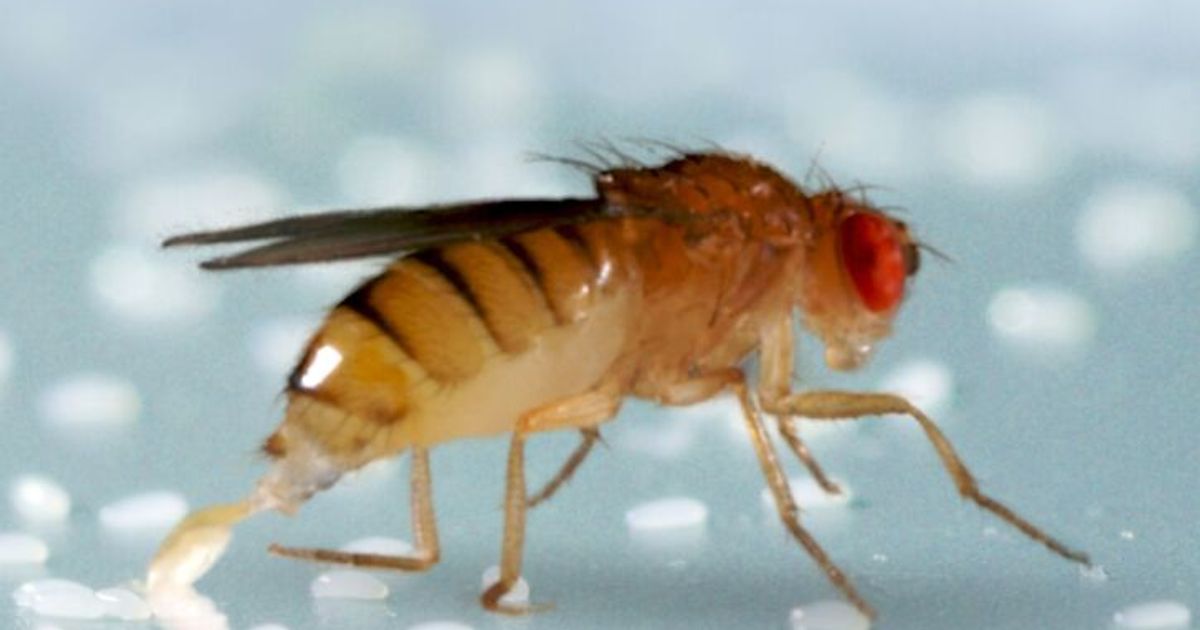
Die Artenvielfalt von Taufliegen (Drosophila) im Raum Wien ist in den vergangenen drei Jahrzehnten massiv eingebrochen. Forschende des Naturhistorischen Museums (NHM) Wien berichten, dass die Zahl der in der Stadt nachgewiesenen Arten im Vergleich zu einer Erhebung aus dem Jahr 1994 um rund 50 Prozent gesunken ist. Die Ergebnisse, die nun im Fachjournal „Ecology and Evolution“ veröffentlicht wurden, deuten darauf hin, dass vormals häufige Arten durch zugewanderte Taufliegen verdrängt worden sein könnten.
Grundlage der aktuellen Analyse ist das Citizen-Science-Projekt „Vienna City Fly“, das 2024 einfache Fliegenfallen an freiwillige Laienforscher in Wien, Niederösterreich und dem Burgenland verteilte. Die zurückgesandten Proben wurden für die nun publizierte Studie gezielt auf Fänge in unmittelbarer Nähe menschlicher Siedlungen beschränkt – also auf Innenräume, Balkone und Gärten. Damit liegt ein detailliertes Bild jener Drosophila-Gemeinschaft vor, die besonders eng an vom Menschen geprägte Lebensräume gebunden ist.
Insgesamt wurden mehr als 18.000 Taufliegen gesammelt und taxonomisch bestimmt; dabei identifizierte das Team um NHM-Forscher Martin Kapun 13 Drosophila-Arten. Bemerkenswert ist der Nachweis zweier Arten, die bislang in Österreich nicht registriert waren: Drosophila (D.) mercatorum und D. virilis. D. mercatorum ist ursprünglich in den USA, Mexiko und Südamerika verbreitet und wurde im vergangenen Jahrhundert nach Europa eingeschleppt, D. virilis stammt aus Asien und hat sich erst seit relativ kurzer Zeit über die nördliche Hemisphäre ausgebreitet.
Die Zusammensetzung der Populationen zeigt eine deutliche Verschiebung hin zu wenigen dominanten Generalisten. D. mercatorum mit rund 8.800 Nachweisen und die Modellorganismus-Art D. melanogaster mit etwa 6.700 Funden waren die mit Abstand häufigsten Spezies in den Proben. „Dominiert wird die Drosophila-Population im Wiener Stadtgebiet von Generalisten mit starker Affinität zum Menschen“, erklärte Kapun der Austria Presse Agentur zufolge. Die Ergebnisse unterstreichen, dass zunehmende Verbauung und die starke Prägung durch menschliche Siedlungen mit einem Rückgang der Biodiversität einhergehen können – auch bei unscheinbaren Insekten, die als wichtige Indikatoren für den Zustand urbaner Ökosysteme gelten.